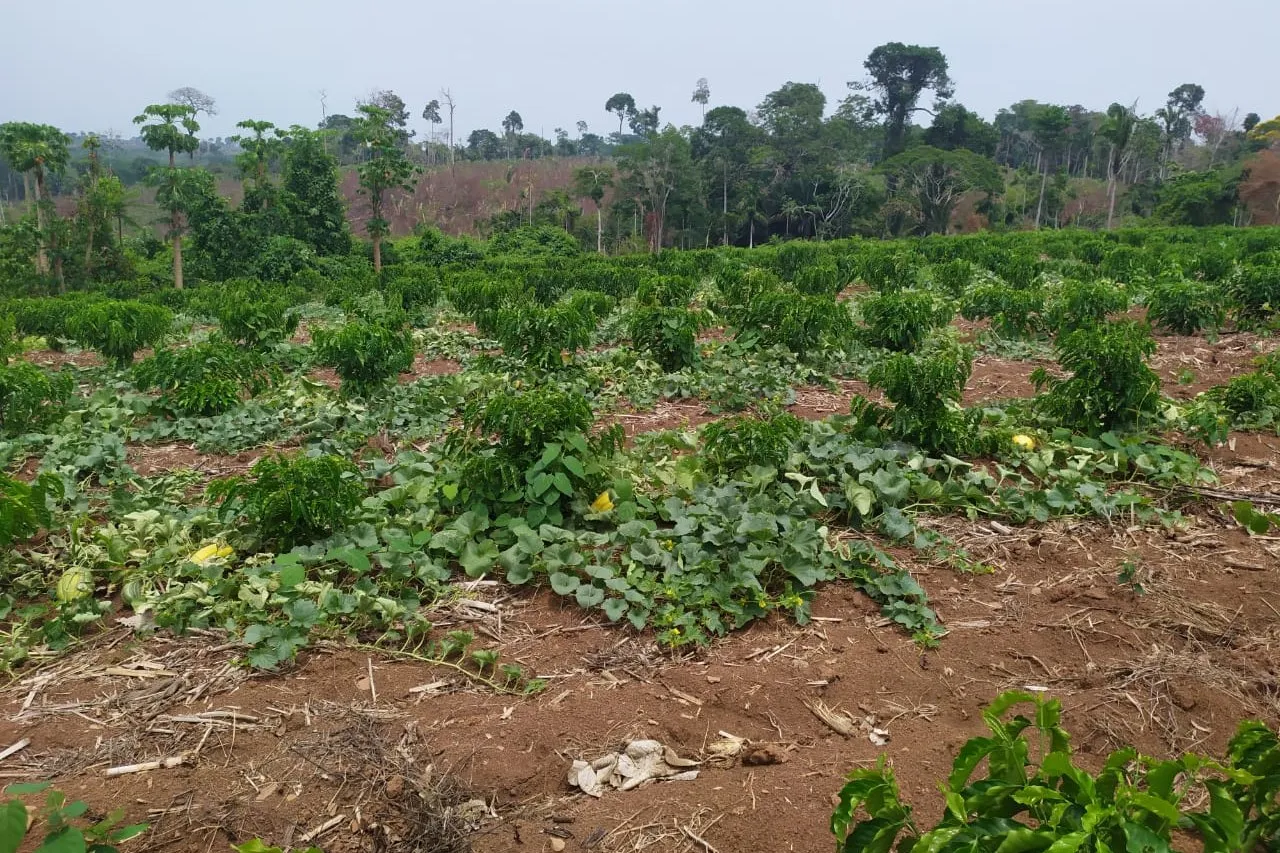
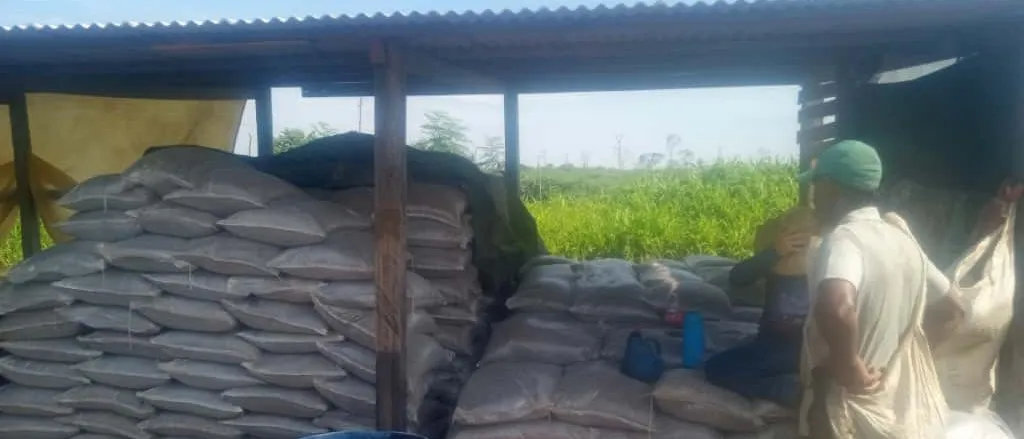
Production and Processing
We receive the membership's agricultural production, process it and store it. The cooperative may also operate as a general warehouse and issue agricultural deposit instruments.
Learn more
Taquaruçu do Norte · Mato Grosso · Brazil
COOPERANTE - Cooperativa Carvalho Beans brings rural producers together to receive, process, store and market the membership's production, with technical assistance, inputs bought at scale and a commitment to environmental preservation.
23
Members
8
Municipalities served
2024
Founded in
These figures are updated after each social year closes on 31 December.
Why we exist
COOPERANTE is a non-profit-distributing cooperative society dedicated to defending the economic, technical and social activities of its associated producers, and to representing their common interests in extraction, reforestation, bioenergy and agriculture.
In practice, that means the member no longer negotiates alone. The cooperative receives the production, processes it, stores it and markets it collectively; it buys inputs at scale; it brings technical assistance into the field; and it gives the membership bargaining power that an isolated producer simply does not have.
Every member is both owner and user of the cooperative. Decisions are taken in the General Assembly, where each person has one vote, regardless of how much land they farm.
About the cooperative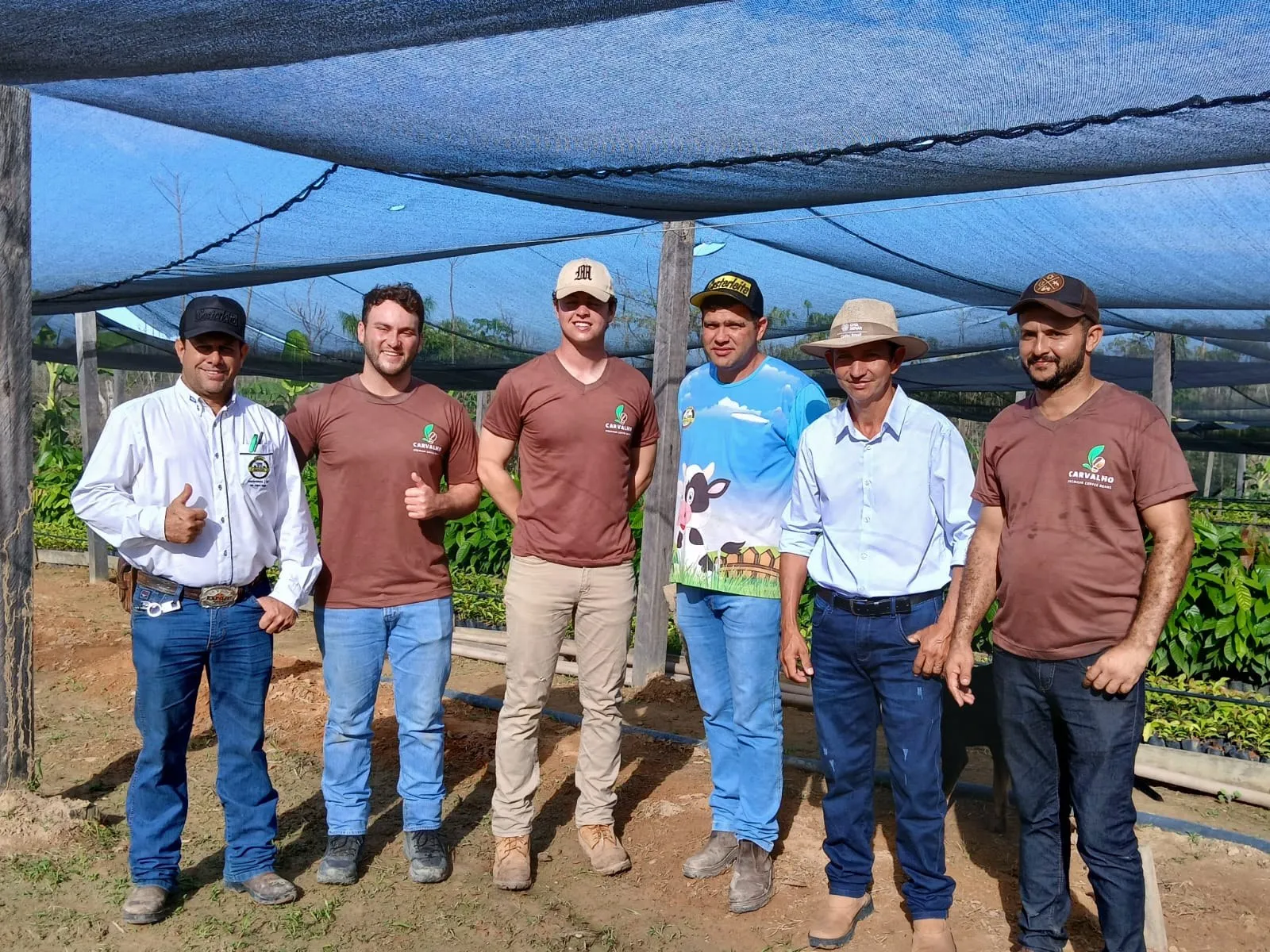
What we do
The cooperative's activities are set out in Article 2 of the Bylaws. They organise into four mutually reinforcing areas of work.
We receive the membership's agricultural production, process it and store it. The cooperative may also operate as a general warehouse and issue agricultural deposit instruments.
Learn moreAgricultural technical assistance, technical projects, inspections and phytosanitary services, plus field days and technology transfer for the membership.
Learn moreWe organise the industrialisation, fractioning, packaging and sale of production in local and national markets, under our own trade brand.
Learn moreWe encourage environmental preservation and reforestation, producing and marketing seeds and seedlings and supporting agroforestry systems.
Learn moreFrom our land
Three product lines, all originating on member properties and processed by the cooperative.
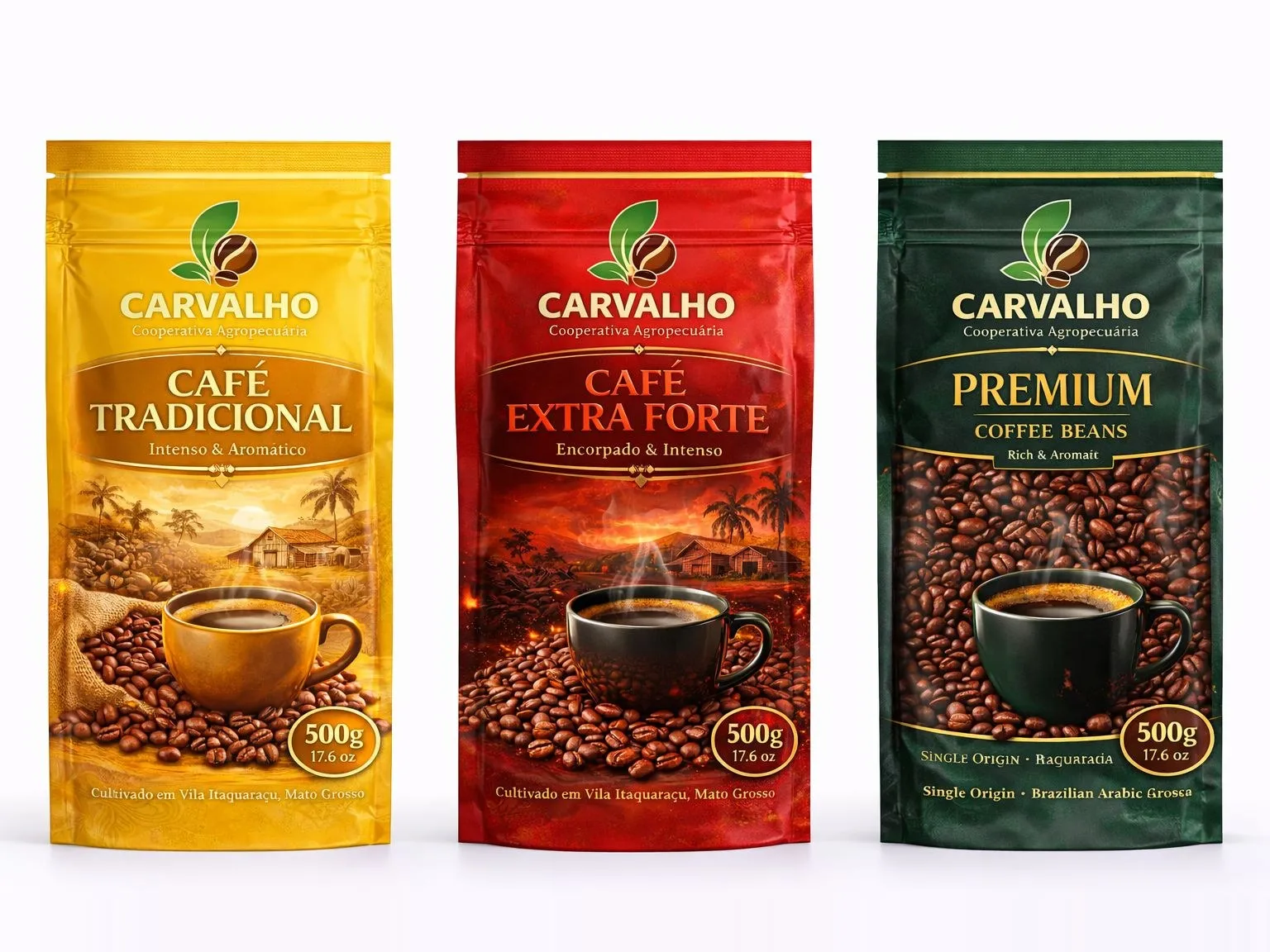
Robusta / Conilon
Robusta/Conilon coffee grown by member families in northern Mato Grosso.
View product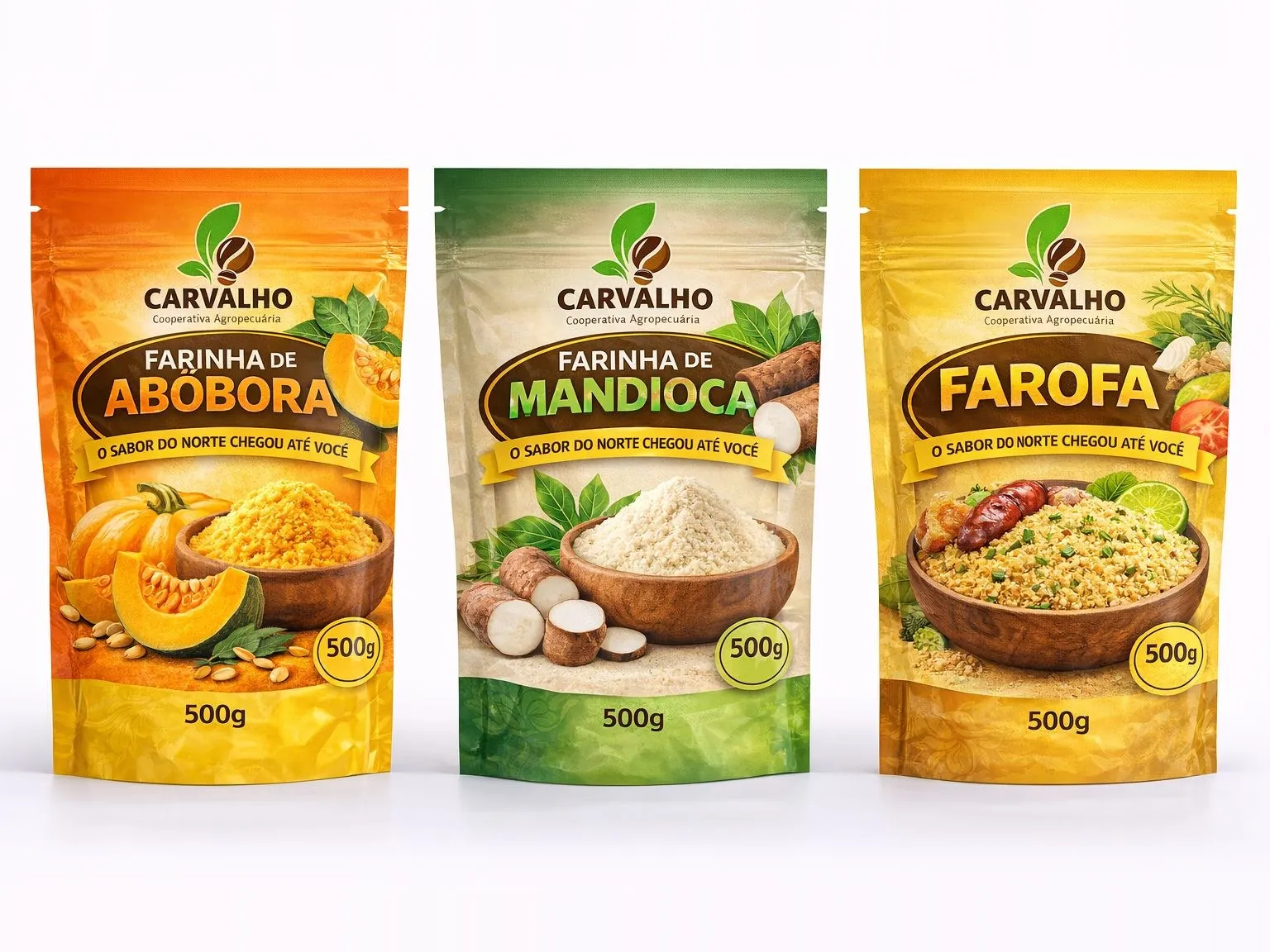
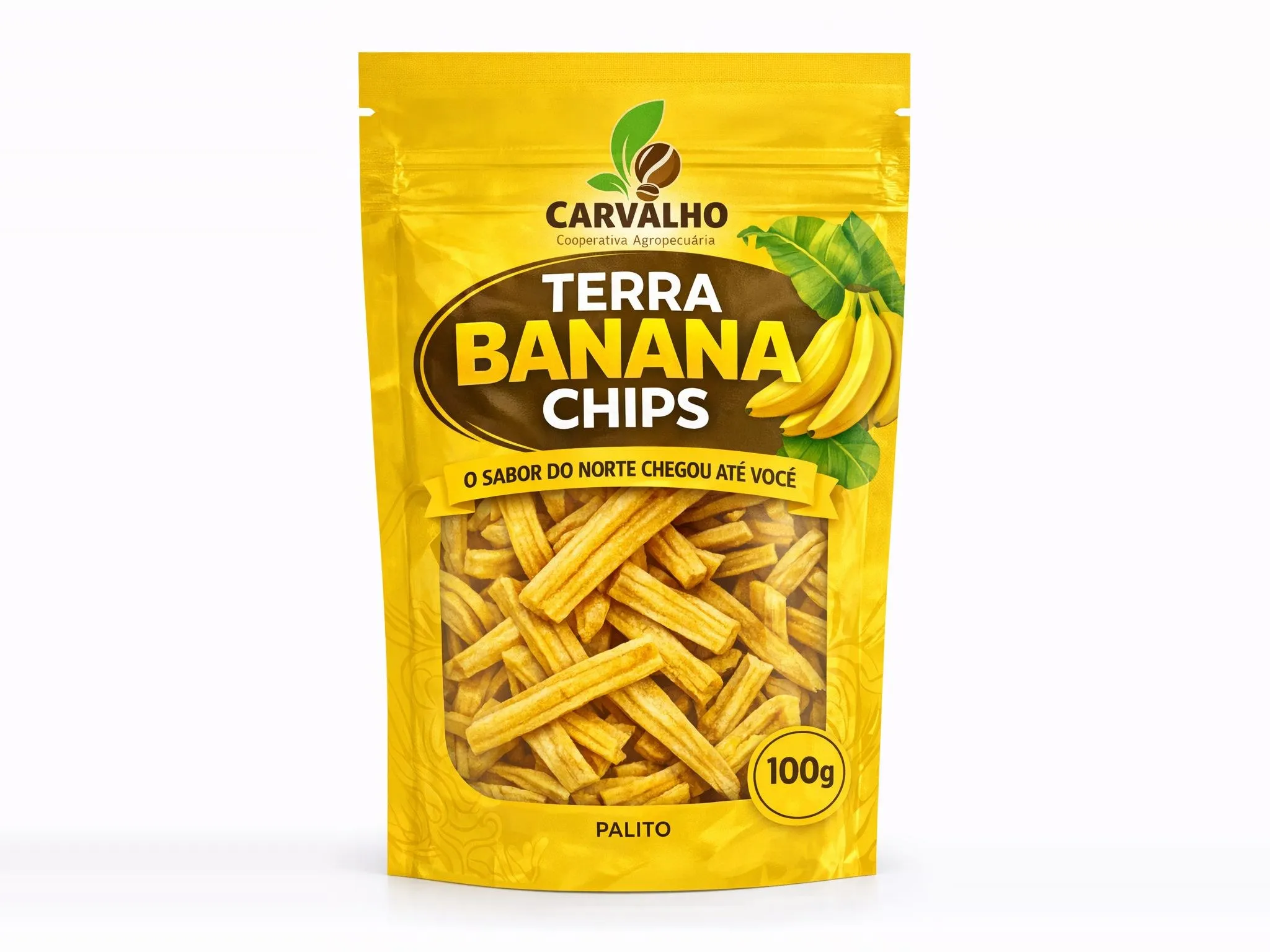
Processed food
Banana chips made from bananas harvested on member properties.
View productBuying in volume? Buy Robusta (Conilon) coffee wholesale Read about Amazonian Robusta from Colniza, Mato Grosso
We also supply raw materials from the Amazon forest, harvested by a traditional riverside community that works in partnership with the cooperative. Forest Products
The cooperative model
A cooperative is neither a company nor a charity. It is a society of people, created and controlled by the very people who use it. In Brazil this model is governed by Law No. 5,764/71.
What that changes in practice: alone, a producer sells small volumes and takes whatever price is offered. Organised in a cooperative, they sell alongside dozens of neighbours, reach larger buyers, buy inputs at scale and share the cost of technical assistance. Annual surpluses do not become shareholder profit; they return to the membership or to the cooperative's own statutory funds.
And because the cooperative belongs to its members, each one has a single vote in the General Assembly. Someone farming 5 hectares decides with the same weight as someone farming 500.
Adopted internationally and used as the reference framework by the Brazilian cooperative system.
Partnerships and resources
Of each year's surplus, 5 percent goes to FATES, the Technical, Educational and Social Assistance Fund, and 45 percent to the Reserve Fund. FATES pays for technical assistance, education and social assistance for members, their families and cooperative employees. The Reserve Fund covers losses and supports the development of the cooperative's activities. Both funds are indivisible among members, even upon liquidation.
See how partnerships workFrom the cooperative
What Robusta (Conilon) coffee is, where it grows in northwestern Mato Grosso, how our member families farm it and what buyers can expect in the cup.
A step-by-step guide to buying Brazilian Robusta (Conilon): finding a supplier, samples, contracts, Incoterms, shipping and the documents involved.
How Robusta (Conilon) and Arabica differ in body, crema, bitterness and caffeine, how roasters use Robusta in espresso blends, and what to ask a supplier.
Do you produce coffee, cassava, bananas, timber or livestock in our area of operation? Send us your expression of interest and the cooperative will get in touch.
I want to joinRoasters, distributors, food manufacturers and retailers: talk to the cooperative about volumes, specifications and samples.
Talk to our sales team