Robusta vs Arabica in espresso blends: what roasters and distributors should know
How Robusta (Conilon) and Arabica differ in body, crema, bitterness and caffeine, how roasters use Robusta in espresso blends, and what to ask a supplier.
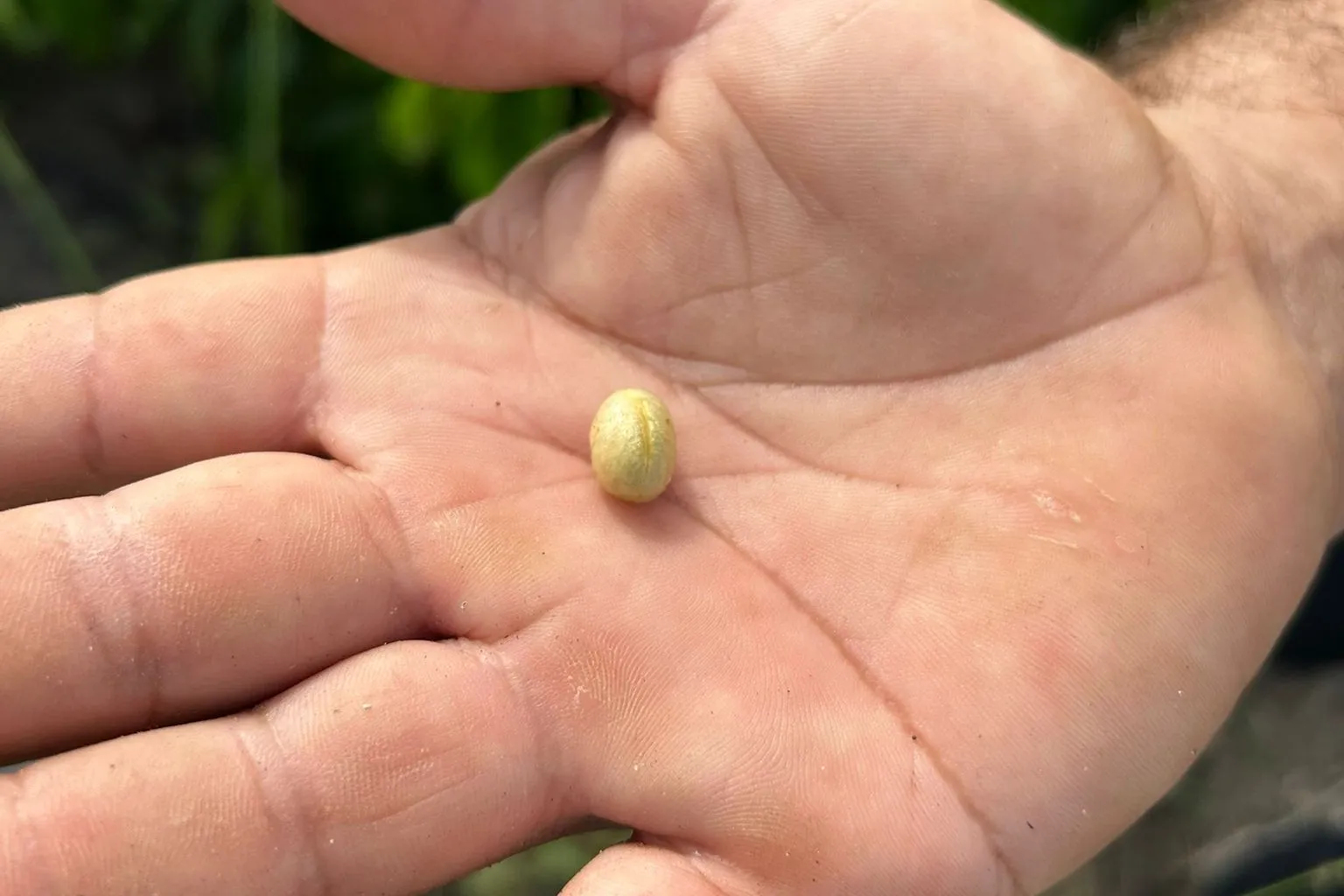
Most espresso blends sold around the world are built on two species: Arabica and Robusta. Arabica usually carries the aromatics and acidity, while Robusta is there for body, crema and strength. The proportion between them, and the quality of each component, shape what ends up in the cup. This article explains how the two species differ and what roasters and distributors should look for when buying Robusta for blends.
Two species, two plants
Arabica is Coffea arabica. Robusta is Coffea canephora, and in Brazil it is widely called Conilon. They are different species, not just different varieties, and they behave differently in the field.
- Growing conditions: Arabica generally prefers higher altitudes and milder temperatures. Canephora tolerates heat and lower altitudes better, which is why it is grown in warm lowland regions, including parts of the Brazilian Amazon.
- Reproduction: Arabica is largely self-pollinating, so plants of the same variety are fairly uniform. Canephora needs cross-pollination between different plants, so a field naturally contains more genetic variation.
- Plant vigour: Canephora is generally considered hardier and more resistant to some pests and diseases than Arabica.
These differences in the plant carry through to the chemistry of the bean and, eventually, to the cup.
What differs in the bean
You do not need a lab to understand the main contrasts. In relative terms:
- Caffeine: Robusta generally contains considerably more caffeine than Arabica. Caffeine is bitter, so it contributes to Robusta’s stronger taste.
- Chlorogenic acids: Robusta tends to have more of these compounds. During roasting they break down into substances that add bitterness and some astringency.
- Sugars: Arabica usually contains more sucrose. Sugars feed caramelisation and many aroma compounds during roasting, which helps explain Arabica’s sweetness and aromatic range.
- Lipids: Arabica generally has a higher oil content, which affects aroma retention and mouthfeel.
None of this makes one species “better”. They are different raw materials, and a blend uses each for what it does well.
How Robusta behaves in espresso
Espresso concentrates everything in the cup, which is why Robusta’s character is so visible in this method.
Body
Robusta adds weight and texture. A blend with some Robusta tends to feel fuller and rounder, and it holds up better when diluted with milk.
Crema
Espresso made with Robusta typically shows a thicker, darker and longer-lasting crema. For many markets, especially traditional espresso cultures, a dense crema is part of what customers expect to see.
Bitterness and strength
Robusta brings more bitterness and a stronger, more intense finish. In balance, this reads as power and structure. In excess, or with poorly processed coffee, it reads as harsh, rubbery or earthy.
Flavour
Well-processed Robusta can show chocolate, cocoa, cereal, nut and woody notes. Low-quality Robusta is where the species got its reputation for flat, burnt or medicinal flavours, and much of that comes from how the coffee was handled after harvest rather than from the species itself.
How roasters use Robusta in blends
Roasters use Robusta in different ways depending on the product:
- Classic espresso blends: a share of Robusta adds body and crema to an Arabica base. The proportion varies widely by style and market.
- Milk-based drinks: blends meant for cappuccino or latte often carry more Robusta so the coffee is not lost in the milk.
- Strong retail lines: “extra strong” or intense ground coffees often lean on Robusta for strength and bitterness.
- Cost balance: Robusta is usually priced below Arabica on world markets, so it also helps manage blend cost. That should be a secondary reason, not the only one.
Roasting matters as much as the ratio. Because the two species have different density and composition, some roasters roast components separately and blend afterwards, while others roast together. Testing both approaches with your own equipment is the reliable way to decide.
Fine Robusta and post-harvest care
The idea that all Robusta tastes harsh is outdated. “Fine Robusta” is a term the industry uses for Robusta that is selectively harvested, dried and processed with care and graded to cup clean. The Coffee Quality Institute, for example, publishes standards and grading protocols specifically for Robusta.
What drives quality after harvest:
- Ripe picking: green or overripe cherries bring astringency and off-flavours.
- Controlled drying: drying to a stable target moisture, protected from rain and contamination, prevents mould and fermentation defects.
- Clean hulling and sorting: removing defective beans, stones and foreign matter.
- Grading: separating the coffee by type, screen size and cup quality so each lot is consistent.
- Storage: dry, ventilated storage keeps the coffee stable until shipment.
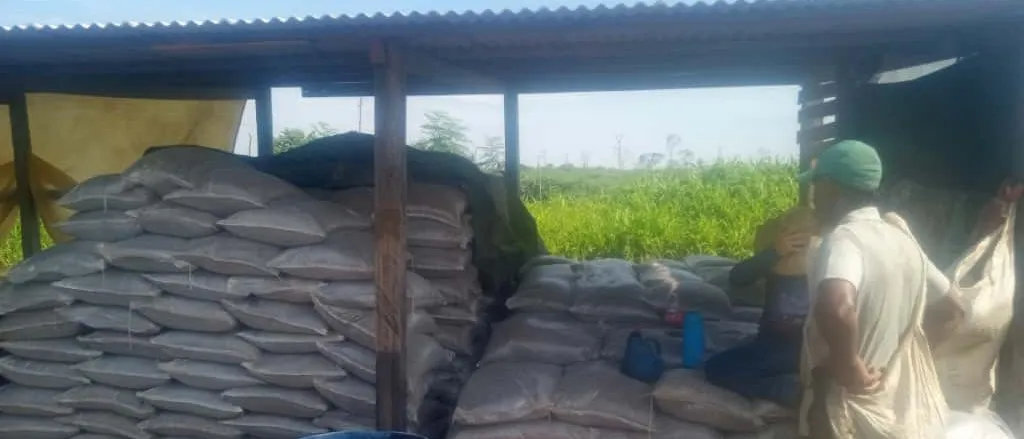
These are also the stages of the cooperative’s own process: harvest on member properties, controlled drying, hulling and cleaning, grading by type, screen size and cup quality, and packing with origin identification.
What to ask a Robusta supplier
Before buying Robusta for a blend, ask:
- Where exactly does it come from, and can a lot be traced to the property of origin?
- How is it dried and processed?
- How is it graded? Ask about type, screen size and cup quality.
- Can I get a representative sample and an agreed way to compare it with the shipment?
- Who is the legal seller, and who handles export?
About our coffee
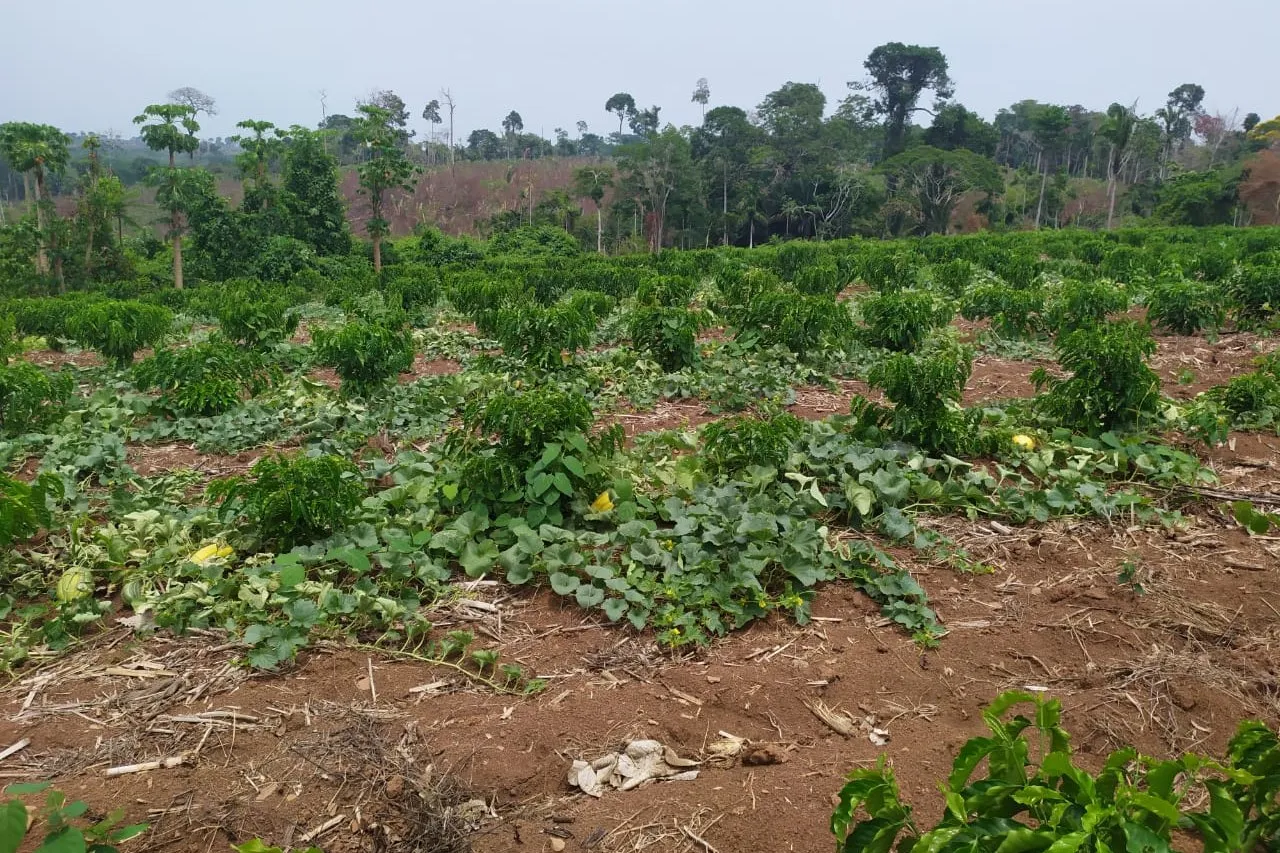
Carvalho Beans is a cooperative of member families in Colniza, in the far northwest of Mato Grosso, in the Amazon region. Our Robusta (Conilon) is grown on family properties where the coffee field shares space with forest and other crops, and it is received, processed, stored and marketed by the cooperative. Every bag can be traced to a member property. The cooperative holds no certifications.
We sell to buyers in Brazil and to international buyers. We do not export ourselves: international buyers arrange export through their own exporter or forwarder. If that is new to you, our guide on how to import Robusta coffee from Brazil walks through each step.
Learn more about our coffee and where it grows on the Amazonian Robusta origin page.
Request a sample
If you are building or adjusting an espresso blend and want to test our Robusta (Conilon), send us an inquiry through the wholesale form. Send us your product, volume and destination and we will reply within 24 hours with terms and a sample offer.
Frequently asked questions
Why do roasters add Robusta to espresso blends?
Robusta tends to add body, a thicker and more persistent crema, more bitterness and more caffeine. Used in the right proportion, it gives an espresso weight and structure, especially in milk drinks.
Does Robusta have more caffeine than Arabica?
Yes. Robusta (Coffea canephora) generally contains considerably more caffeine than Arabica (Coffea arabica), which is one reason it tastes more bitter.
What is fine Robusta?
It is a term used for Robusta that is carefully harvested, dried, processed and graded so that it cups clean, without the earthy or harsh defects many buyers associate with commodity Robusta.
How much Robusta should go into an espresso blend?
There is no single rule. Proportions vary with the style, the market and the other components, so most roasters test several ratios before settling on a recipe.
Is the cooperative's coffee certified?
No. The cooperative holds no certifications. What we can offer is traceability to the member property of origin and a single legal counterparty for the sale.