How to import Robusta coffee from Brazil: a buyer's step-by-step guide
A step-by-step guide to buying Brazilian Robusta (Conilon): finding a supplier, samples, contracts, Incoterms, shipping and the documents involved.
Brazil is one of the main origins for Robusta coffee, known in the country as Conilon. For a roaster, distributor or food company abroad, buying it for the first time can look complicated: there is a supplier to find, samples to evaluate, a contract to agree, freight to book and a stack of documents to get right. This guide walks through each step in plain terms, from the buyer’s side of the table.
It is general information, not legal or customs advice. Rules change and differ by country, so confirm the details with your own forwarder, customs broker and lawyer.
Step 1: Find and qualify a supplier
Green Robusta from Brazil can be bought from several kinds of sellers: cooperatives, individual farms, local traders and export houses. Each works differently. Before you ask for prices, it helps to understand who you are actually dealing with.
Questions worth asking any supplier:
- Who is the legal seller? You want one clear counterparty for the contract and the invoice.
- Where does the coffee come from? Ask whether lots can be traced to a farm or property of origin.
- How is the coffee processed? Drying, hulling, cleaning and grading all affect what arrives in your warehouse.
- Who handles export? Some sellers export themselves; others sell to the buyer or the buyer’s exporter, who then handles the export side.
That last point matters at Carvalho Beans. We are a cooperative in Colniza, in the far northwest of Mato Grosso. We sell to buyers in Brazil and to international buyers, but we do not export ourselves. International buyers purchase from the cooperative and arrange export registration, clearance and freight through their own exporter, trading company or freight forwarder in Brazil. In practice, you deal with one legal entity for contract, invoicing and handover, and your logistics partner takes it from there.
Step 2: Request and evaluate samples
Never contract green coffee on a description alone. Ask for a sample that represents the lot you would actually receive, and evaluate it the same way you will evaluate the arrival.
A typical evaluation covers:
- Green analysis: moisture, screen size distribution, defect count, colour and smell.
- Roast and cup: roast a small batch and cup it, ideally using a protocol designed for Robusta rather than one built for Arabica.
- Fit for purpose: test it in the product it is meant for, such as an espresso blend, a soluble base or a retail ground coffee.
Agree in advance how the shipment sample will be compared with the approved sample. If you want to see how a request moves from first contact to cupping with us, read how our sample process works.
Step 3: Agree the contract
Coffee contracts are often based on standard trade forms, but even a simple purchase agreement should cover the same ground:
- Quality specification: the product, the grading terms used (type, screen, cup) and the reference sample.
- Quantity: the amount, the packing and any tolerance.
- Price basis: a fixed price, or a price set against a reference market with an agreed differential, plus the currency.
- Delivery: the Incoterm, the named place and the shipment period.
- Payment: the method (for example advance payment, documentary collection or letter of credit) and the timing.
- Claims and arbitration: how quality or weight disputes are raised, and which arbitration body or law applies.
Keep the language clear and make sure both sides read the same version. Ambiguity in the contract tends to surface at the worst possible moment, when the coffee is already at sea.
Step 4: Understand Incoterms
Incoterms are the International Chamber of Commerce rules that define who pays which costs and where risk passes from seller to buyer. The current set is Incoterms 2020. Always write the term, the named place and the version in the contract, for example “FCA [named place], Incoterms 2020”.
The terms you will meet most often:
- EXW (Ex Works): the seller makes the goods available at its premises. The buyer handles almost everything, including loading. Risky for a foreign buyer who cannot easily handle Brazilian export formalities.
- FCA (Free Carrier): the seller hands the goods to the carrier or a named place chosen by the buyer, usually cleared for export. Often recommended for containerised cargo.
- FOB (Free On Board): the seller delivers the goods on board the vessel at the named port of shipment. Risk passes once the goods are on board. Intended for sea freight.
- CFR (Cost and Freight): like FOB, but the seller also pays ocean freight to the destination port. Risk still passes at loading.
- CIF (Cost, Insurance and Freight): like CFR, plus the seller buys minimum insurance cover for the buyer. Many buyers take out wider cover of their own.
- DAP and DDP: the seller delivers at the destination, with DDP also covering import duties. These put most of the burden on the seller side.
Because the cooperative does not export, the term you agree with us and the term your exporter uses for the ocean leg may be different. Map the whole chain before you sign. Send us your product, volume and destination and we will reply with terms and a sample offer.
Step 5: Plan logistics
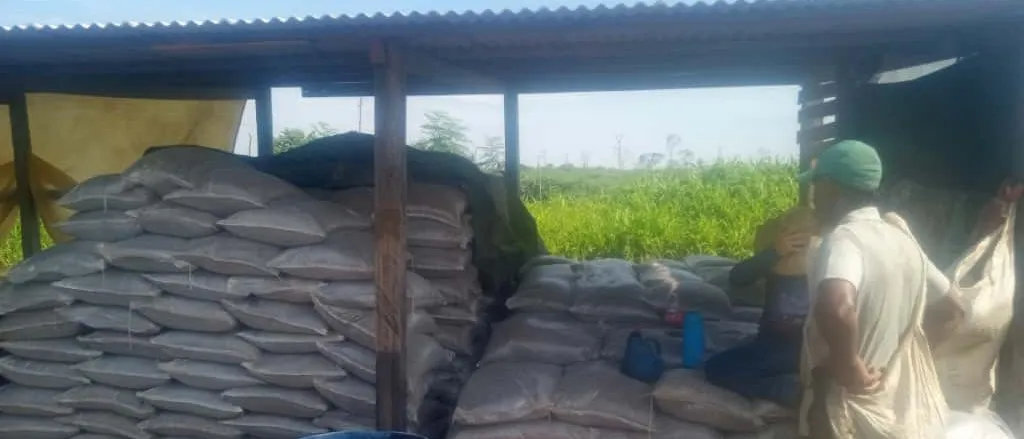
Green coffee usually ships in containers, either in bags or in big bags. In Brazil the customary trading unit is the 60 kg bag. Some buyers prefer bulk shipments in containers fitted with a liner.
Points to settle with your forwarder:
- Packing and container type, and who stuffs the container.
- Inland transport from the origin to the port. Mato Grosso is far inland, so the road leg needs planning.
- Port and routing, transit times and transshipments.
- Moisture protection, such as container lining and absorbent material, since condensation during transit can damage coffee.
- Insurance, whoever arranges it under the chosen Incoterm.
Step 6: Get the documents right
A green coffee shipment typically travels with:
- Commercial invoice
- Packing list
- Bill of lading (or another transport document)
- Certificate of origin
- Phytosanitary certificate
Your exporter and forwarder prepare the Brazilian export side, including the export declaration filed in Brazil’s foreign trade system. On the import side, requirements vary: some countries need prior registration of the importer, food safety filings, traceability information or specific labelling. Check your country’s requirements with your customs broker before the coffee ships, not after.
Brazil-specific practicalities
A few general points that often surprise first-time buyers:
- Domestic invoicing comes first. When a Brazilian seller sells to an exporter or to a buyer whose exporter takes over, the sale is invoiced under Brazilian tax rules before the export leg begins. Your exporter will know the paperwork.
- Distances are large. Inland freight from producing regions to the coast is a real cost and time factor.
- Language and time zones. Clear written specifications in both Portuguese and English avoid misunderstandings.
Next step
If you are evaluating Robusta for an espresso blend, our article on Robusta vs Arabica in espresso blends covers what to look for in the cup. You can also read about our coffee, where it grows on the origin page, and how we work with buyers on the wholesale page.
When you are ready, send us an inquiry through the wholesale form. Tell us the product, volume and destination and we will reply within 24 hours with terms and a sample offer.
Frequently asked questions
Does Carvalho Beans export coffee directly?
No. The cooperative sells to international buyers, but export registration, customs clearance and freight are handled by the buyer's own exporter, trading company or freight forwarder in Brazil.
Which Incoterm should I use to buy green coffee from Brazil?
It depends on how much of the logistics you want to control. FOB and FCA are common starting points for buyers who book their own ocean freight, while CFR and CIF leave freight booking to the seller side. Always name the Incoterm, the place and the rules version in the contract.
What documents do I need to import Brazilian coffee?
A shipment usually travels with a commercial invoice, packing list, bill of lading, certificate of origin and phytosanitary certificate. Your own country may require more, so check your national import rules before you sign.
How do I get a sample of the cooperative's Robusta (Conilon)?
Use the wholesale form on our website and tell us the product, volume and destination. We reply within 24 hours with terms and a sample offer.
What are the cooperative's prices and minimum order?
Prices and order sizes depend on the lot, volume and destination, so we quote them case by case. Send us your product, volume and destination and we will reply with terms and a sample offer.