Conilon coffee from the Amazon region of Mato Grosso: origin, farming and flavour
What Robusta (Conilon) coffee is, where it grows in northwestern Mato Grosso, how our member families farm it and what buyers can expect in the cup.
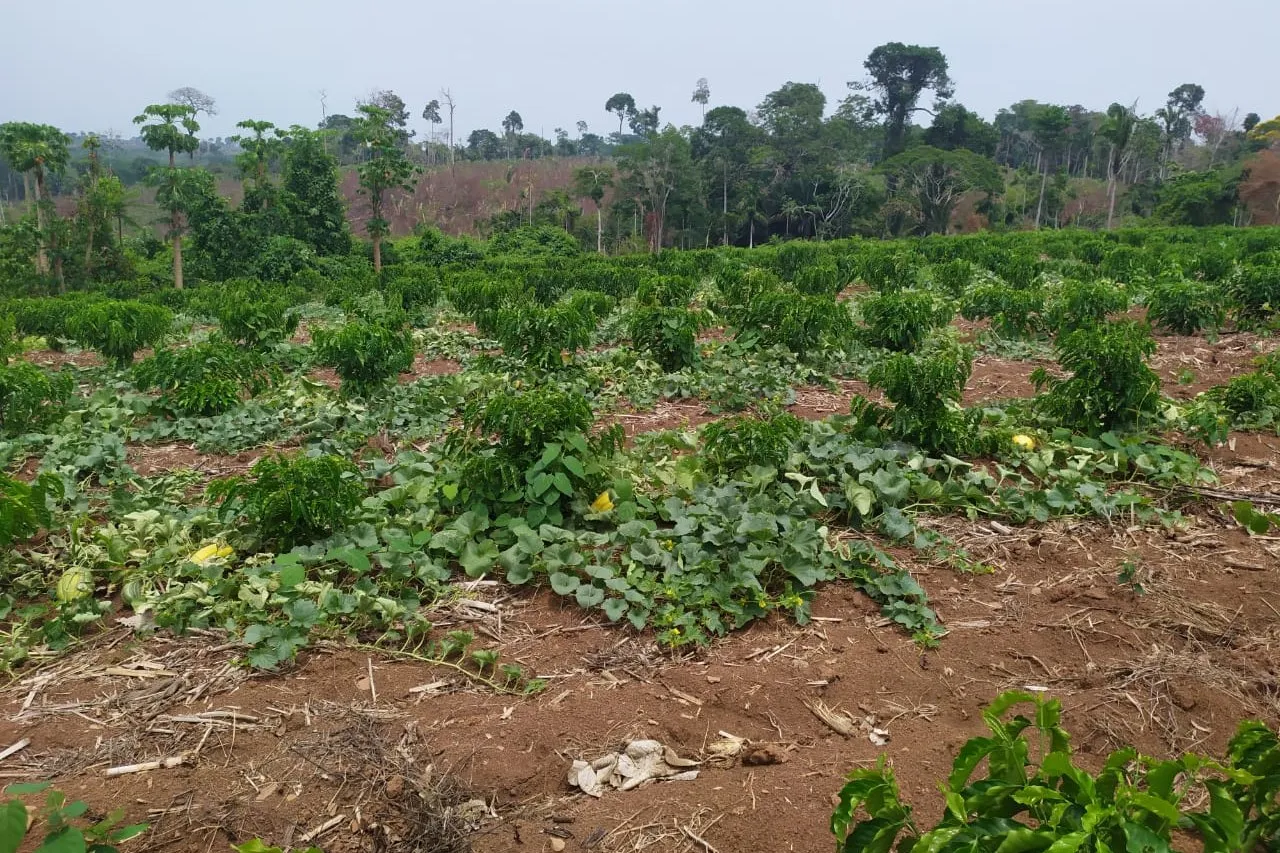
Most Brazilian Robusta comes from a handful of well-known producing states. Our coffee comes from somewhere less familiar: the far northwest of Mato Grosso, inside the Amazon region, where member families of Cooperativa Carvalho Beans grow it on small properties alongside forest and other crops. This guide explains what Conilon is, where and how it is grown here, how the cooperative handles it after harvest, and what a buyer can reasonably expect in the cup.
What Conilon is
Coffee sold around the world comes mainly from two species. Coffea arabica is the one most people know by name. Coffea canephora is the other, and it is traded internationally as Robusta.
In Brazil, canephora is usually called Conilon (sometimes spelled Kouillou, after an older variety name). Strictly speaking, Conilon refers to a group of canephora varieties that has been grown in Brazil for generations, while “Robusta” in the botanical sense refers to another group. In the market, though, the distinction rarely matters: a Brazilian Conilon is bought and sold as a Robusta coffee. On this site we write Robusta (Conilon) in English to make that clear.
Some general characteristics of the species are useful for buyers to keep in mind:
- The plant. Canephora is a vigorous plant that tolerates heat well and is usually grown at lower altitudes than Arabica. It is generally cross-pollinating, so fields tend to be more varied plant to plant than Arabica fields.
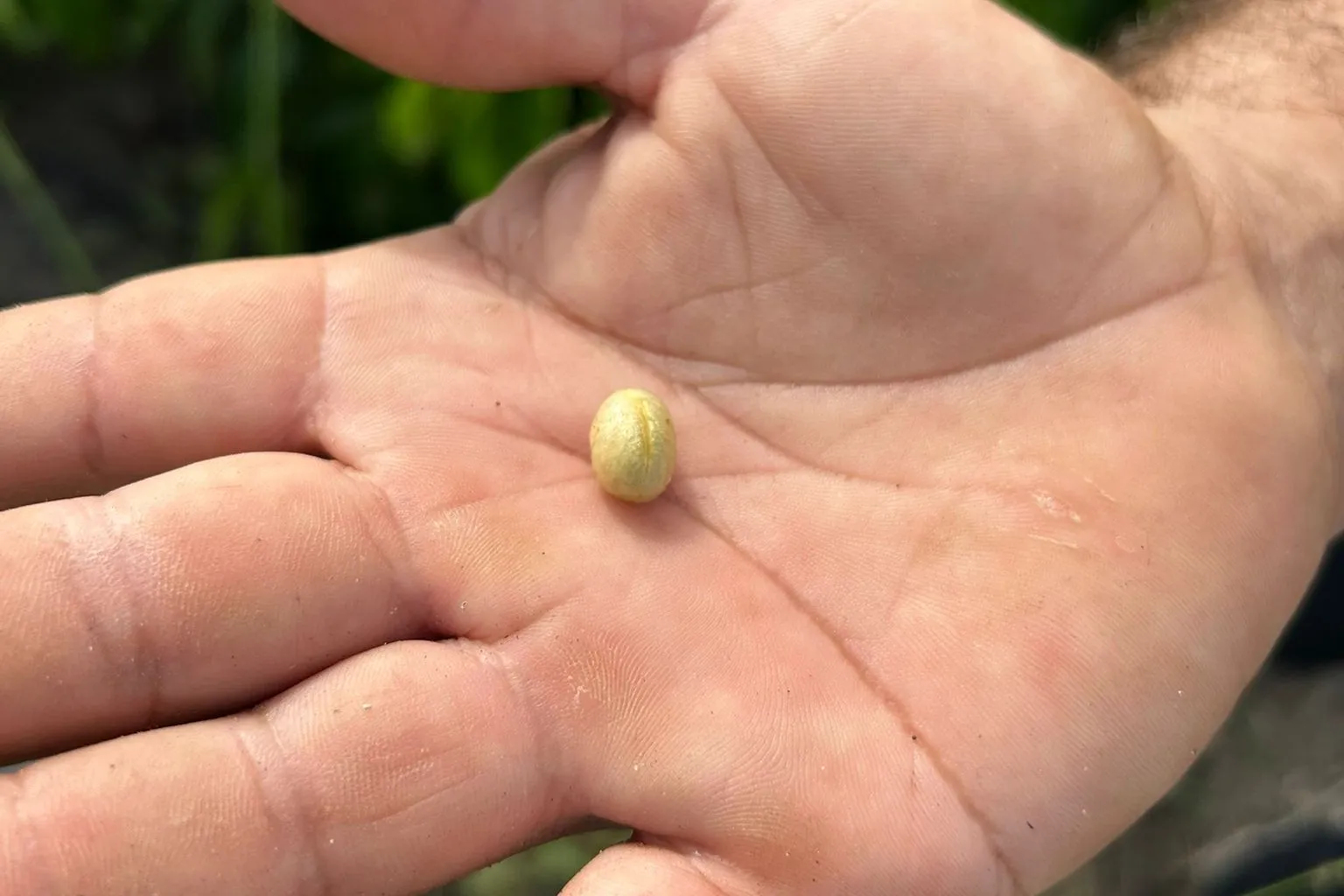
- The bean. Robusta beans typically contain more caffeine and less sugar and lipids than Arabica. That chemistry is a big part of why the cup tastes different.
- The uses. Robusta is a common base for espresso blends, instant coffee and many commercial roasts, and a growing share of it is now handled with the same care as specialty Arabica. Our article on Robusta vs Arabica in espresso blends goes into this in more detail.
Where our coffee grows
The cooperative is based in Vila Taquaruçu do Norte, in the municipality of Colniza, in the far northwest of Mato Grosso. This is the Amazon region of the state, a long way from the Cerrado farms in the south and centre that many people associate with Mato Grosso agriculture. Northern Mato Grosso as a whole is often described as a transition zone between the Cerrado and the Amazon.
Our 23 members farm in and around this area, and the cooperative serves 8 municipalities. It is a frontier region with a strong tradition of family farming: properties tend to be worked by the families who own them, and coffee is one crop among several rather than the only thing on the land.
You can read more about the region and why we describe our coffee as Amazonian Robusta on our origin page. To be clear about one point: “Amazonian Robusta” is a plain description of where the coffee is grown. Our coffee does not carry a geographic indication or denomination of origin, and the cooperative holds no certifications.
How the coffee is farmed
Family properties, not plantations
Every bag of coffee the cooperative sells was grown by a member family on its own property. The cooperative does not own farms. Its role is to receive the coffee, process it, store it and sell it on behalf of the membership, and to return the proceeds to the people who grew it. There are no investor shareholders.
Coffee that shares space with forest and other crops
On member properties, the coffee field usually sits alongside forest and other crops, such as cassava and banana, rather than in continuous monoculture. This agroforestry approach is part of how farming works in the region. It also fits one of the cooperative’s statutory objectives: encouraging environmental preservation and reforestation.
The cooperative runs a seedling nursery in Taquaruçu do Norte, and in May 2026 it hosted its 2nd Field Day there with technical partners including SENAR-MT, EMPAER-MT, the Colniza Rural Union and IFMT. Events like this are how technical know-how reaches the field, which matters for a crop whose quality depends heavily on how it is managed and picked.
From tree to bag: the five post-harvest stages
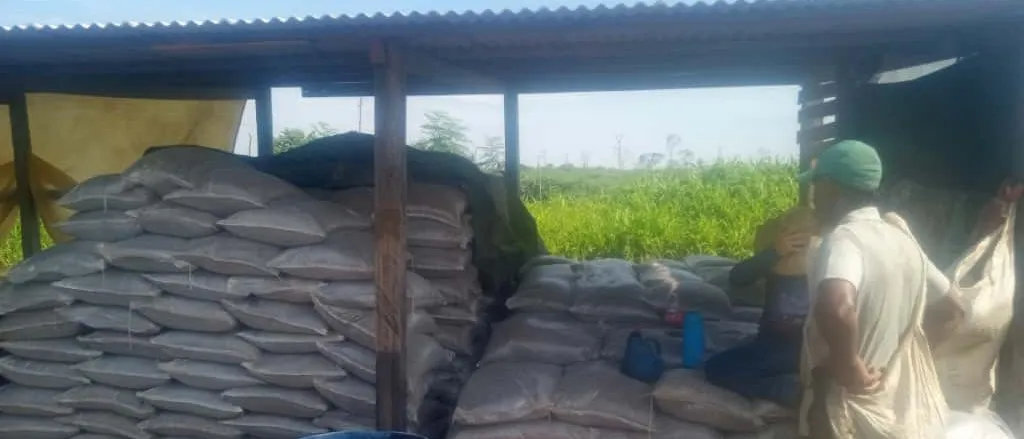
Robusta quality is decided as much after harvest as on the tree. The cooperative concentrates the post-harvest work in a shared structure, which makes it possible to handle coffee consistently and offer consolidated volume. Coffee passes through five stages:
- Harvest. Picking takes place on the members’ properties.
- Drying. The coffee is dried under control down to a target moisture content. Uneven or rushed drying is one of the most common causes of cup defects in any coffee, so this step matters a great deal.
- Hulling. The dried coffee is hulled and cleaned.
- Grading. Beans are separated by type, screen size and cup quality.
- Packing. The coffee is bagged, identified by origin and stored.
Throughout this process, production is received and identified by the property it came from. That is what allows every bag to be traced back to a member property, and it is the practical answer to the question “where exactly did this coffee come from?”
What to expect in the cup
We are careful here, because flavour claims are easy to make and hard to back up.
In general terms, well-handled Robusta and Conilon coffees are valued for:
- Body. A heavy, dense mouthfeel that carries through milk and gives espresso a thick crema.
- Low acidity. Robusta is usually much less bright than Arabica, which some blends and markets prefer.
- Chocolate and nutty notes. Cocoa, dark chocolate, roasted nuts and cereal are typical descriptors for the species.
- Bitterness and strength. Higher caffeine and different chemistry give Robusta a more pronounced bitterness, which careful drying and roasting can keep in balance.
How much of that you find in a particular lot depends on picking, drying, grading and roast. We do not publish cupping notes or scores on this site. Cup profile details for current lots are shared together with samples, so you can evaluate the real coffee on your own table. Our guide on how our sample process works explains what to ask for and how to cup a Robusta sample.
Why buy from a cooperative
For a roaster or importer, buying from a cooperative changes a few practical things:
- One counterparty. You deal with a single legal entity for the contract, invoicing and logistics, instead of many individual farms.
- Traceability. Each bag can be traced to the member property that produced it.
- Consolidated volume. Coffee from many families is processed and graded in one structure, which makes it easier to build consistent lots.
- Where the money goes. Proceeds return to the membership and to statutory funds that pay for technical, educational and social assistance.
We sell to buyers in Brazil and to international buyers. International buyers arrange export through their own exporter, trading company or freight forwarder; our guide on how to import Robusta coffee from Brazil explains how that usually works. More about the product itself is on our coffee page.
Request a sample or a quote
If Robusta (Conilon) from the Amazon region of Mato Grosso fits what you are building, the next step is a sample. Send us your product, volume and destination through the wholesale form and we will reply within 24 hours with terms and a sample offer.
Frequently asked questions
Is Conilon the same as Robusta?
Both names refer to Coffea canephora. Robusta is the name used in international trade, while Conilon is the name used in Brazil for a group of canephora varieties. In practice buyers treat Brazilian Conilon as a Robusta coffee.
Where exactly is the cooperative's coffee grown?
On the family properties of our members around Taquaruçu do Norte, in the municipality of Colniza, in the far northwest of Mato Grosso, within the Brazilian Amazon region.
Does the coffee carry any certification or geographic indication?
No. The cooperative holds no certifications and its coffee carries no geographic indication or denomination of origin. What we offer is traceability: every bag can be traced to the member property it came from.
What does the coffee taste like?
Robusta coffee in general is known for heavy body, low acidity and chocolate or nutty notes. Cup profile details for current lots are shared together with samples, so you can judge the actual coffee rather than a description.
Can international buyers purchase from the cooperative?
Yes. We sell to buyers in Brazil and to international buyers. Export is handled by the buyer's own exporter, trading company or freight forwarder, and the cooperative sells and invoices the coffee to the buyer.