How our sample process works: from request to cupping
How to request a Robusta (Conilon) sample from our cooperative, what to ask for with it, how to cup it and what feedback to send back before terms.
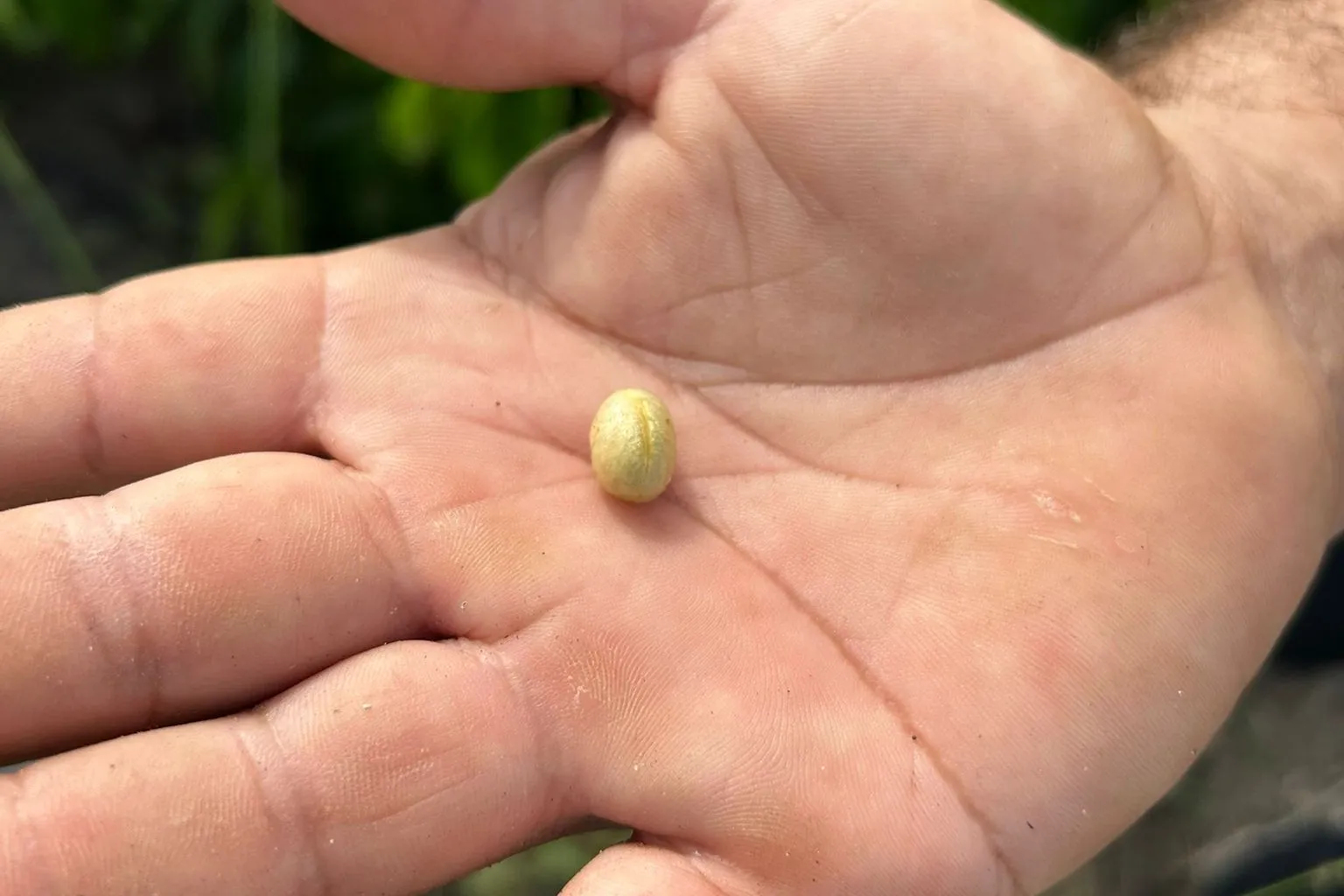
For a coffee buyer, the sample is where a conversation turns into a decision. Before you commit to a lot, you want to see the green coffee, roast it, taste it and check that it fits what you make. This guide explains how the sample process works with Cooperativa Carvalho Beans, step by step, and then gives practical advice on what to ask for with a Robusta (Conilon) sample, how to cup it and what feedback is most useful to send back.
The five steps, from request to terms
We keep the process simple. Here is what to expect.
1. You send a request
Reach us through the wholesale form, on WhatsApp at +1 (978) 398-5263 or by email at carvalhobeans@gmail.com. To help us respond properly, include:
- The product. Green Robusta (Conilon) coffee, roasted coffee from our retail lines, or another product such as cassava flour or banana chips.
- Estimated volume. Even a rough range helps. A trial order and a regular supply programme lead to different conversations.
- Destination. The city or country where the coffee would be delivered. For international buyers, it also helps to tell us who will handle export on your side.
- Timeline. When you would like to receive the sample, and when you would need the first commercial delivery.
2. We reply within 24 hours
The cooperative replies within 24 hours. If anything in the request is unclear, we will ask before preparing anything, so the sample matches what you actually need.
3. Sample size, shipping and cost are agreed case by case
There is no single standard package. The size of the sample, how it is shipped and whether there is any cost depend on the product, the destination and what you plan to do with it. A roaster who wants to run a full roast profile needs more coffee than a buyer who only wants to cup. We agree these points with you before anything is sent.
4. You evaluate and cup the sample
Once the sample arrives, you evaluate it in your own way: inspecting the green coffee, sample-roasting and cupping it, and, if you wish, trying it in your own blend or recipe. The sections below give general guidance for this step.
5. Feedback, then terms
After evaluating, tell us what you found. If the coffee fits, we move on to commercial terms: volume, price, delivery and documents. If it does not, your feedback tells us what to offer next.
Nothing in the sample itself is a guarantee of a specification. A sample shows you the coffee available at that time. Specifications, quantities and terms only bind either side once they are confirmed in writing in the sales agreement.
What to ask for with the sample
A sample is more useful when you know exactly what it represents. When you request one, it is reasonable to ask for:
- Lot and origin identification. Which lot the sample comes from, and its origin. In our case, production is received and identified by the member property it came from.
- Processing method. How the coffee was handled after harvest. Our coffee goes through harvest, controlled drying, hulling, grading and packing; ask which details apply to the lot you are looking at.
- Moisture content, if available. Moisture affects how green coffee stores and how it roasts.
- Screen size, if available. Screen size describes bean size after grading and helps you compare lots and plan roasting.
- Type or grade, if available. Robusta is graded by type and screen size as well as cup quality.
- Availability. Whether the sampled lot is available in the volume you need, or whether the sample represents coffee that will be offered later.
Where a figure is not available for a given sample, we will say so rather than guess.
How to cup a Robusta sample
Most buyers already have a cupping routine. If you are setting one up for Robusta, these general principles help keep results comparable.
Inspect the green coffee first
Before roasting, look at the green beans and smell them. Check for colour consistency, broken or insect-damaged beans, foreign matter and any off odour, such as mustiness or ferment. Write it down; it often explains what you find later in the cup.
Sample roast
Roast to a light-to-medium sample roast, consistent from one sample to the next, so you are judging the coffee rather than the roast. Robusta beans are dense and can roast differently from Arabica, so watch development closely. Let the roasted coffee rest for several hours before cupping, and cup within a day or so.
Ratio, water and timing
Many labs follow the general SCA-style approach: a fixed weight of coffee for a fixed volume of water in each cup, ground medium-coarse, hot water just off the boil, a few minutes of steeping, then breaking the crust, skimming and tasting with a spoon as the coffee cools. The exact ratio matters less than using the same one every time. Prepare several cups of the same sample to check uniformity.
The Coffee Quality Institute also maintains a Fine Robusta cupping protocol, designed around the attributes that matter for canephora. If you buy Robusta regularly, it is worth knowing.
What to note
Taste at several temperatures, from hot to close to room temperature. Note:
- Body. Weight and texture in the mouth. This is often the main reason buyers choose Robusta.
- Bitterness. How strong it is, and whether it is clean and balanced by sweetness, or harsh and lingering.
- Sweetness and flavour. Chocolate, cocoa, nut, cereal or caramel notes are typical of well-handled Robusta.
- Cleanliness. Whether the cup is free of taints, and whether all cups of the same sample taste alike.
- Defects. Common Robusta faults include earthy, musty, fermented, rubbery, woody or smoky notes. Record what you find and in how many cups.
- Aftertaste. Whether the finish is pleasant or dry and astringent.
If the coffee is for espresso or a blend, also try it in that use. A coffee that is modest on the cupping table may perform well in a blend, and the reverse can also be true. Our article on Robusta vs Arabica in espresso blends covers this in more detail.
What to send back
Clear feedback makes the next offer better. The most useful replies include:
- Whether the coffee fits your intended use, and if not, why.
- Your cupping notes, including body, bitterness, cleanliness and any defects, with your roast level.
- Your green inspection notes, if you found anything of concern.
- What you would need to move forward: volume, timing, grade, packaging or a different lot.
- Who will handle export, if you are an international buyer. We sell to international buyers, and export is handled by the buyer’s own exporter or forwarder; our guide on how to import Robusta coffee from Brazil explains the usual setup.
Start with a request
To learn more about the coffee itself, see our coffee page and our article on Conilon coffee from the Amazon region of Mato Grosso. When you are ready, send us your product, volume and destination through the wholesale form and we will reply with terms and a sample offer.
Frequently asked questions
How do I request a sample?
Use the wholesale form on this site, message us on WhatsApp or send an email. Tell us the product, your estimated volume, the destination and your timeline, and we will reply within 24 hours.
Is the sample free, and how big is it?
Sample size, shipping method and any cost are agreed case by case, depending on the product, the destination and what you need to evaluate. Send us your product, volume and destination and we will reply with terms and a sample offer.
Does a sample guarantee the specification of a future shipment?
No. A sample shows you the coffee available at that moment. Specifications, quantities and terms are only binding once they are confirmed in writing in the sales agreement.
Can you send samples outside Brazil?
Samples for international buyers are discussed case by case. We sell to international buyers, and export of the commercial shipment itself is handled by the buyer's own exporter or freight forwarder.
What should I send back after cupping?
Tell us whether the coffee fits your use, what you liked and did not like, any defects you found, and what you would need to move forward, such as volume, timing or a different grade.